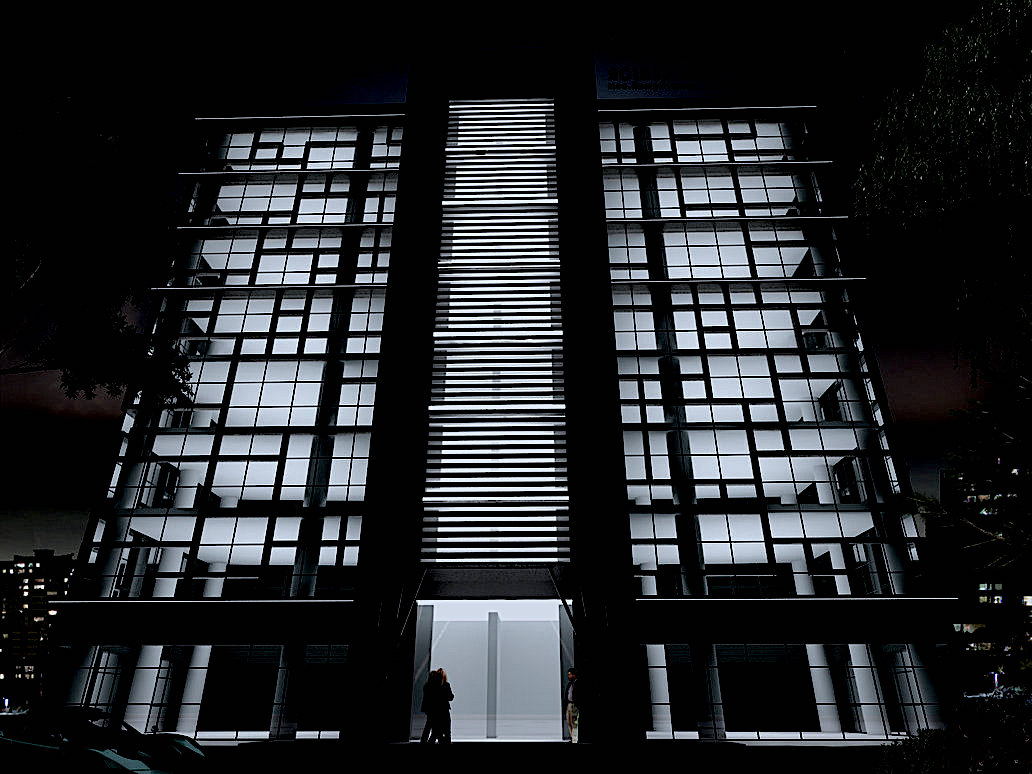
We provide an integrated approach to coordinate Outdoor Lighting Design & Build for projects of varied scale and applications.
This includes :
- Facade Lighting
- Landscape Lighting Solutions
- PoE Lighting Design
- DMX Lighting Controls
- RGB Lighting Solutions
- Pixel Mapping for Media Facades
- Lighting Control & System Design
Outdoor lighting plays a pivotal role in shaping not only the aesthetics but also the function and safety of spaces after dark. Thoughtfully designed lighting transforms exterior environments by accentuating architectural details, crafting an inviting atmosphere, and extending the usability of outdoor areas well into the evening. By blending facade lighting with landscape illumination, designers achieve a harmonious balance that effectively highlights both the built environment and the natural features surrounding it .
Enhancing Architectural Identity with Facade Lighting
Facade lighting is one of the most visible applications of outdoor lighting design — using light to draw out a building’s architectural details, materials, and identity after dark. We’ve designed and executed facade lighting across corporate offices, retail flagships, and heritage structures in India, including projects like our Fybros Corporate Office and Akshardham Temple installations. See our full approach to facade lighting design.
The Role of Landscape Lighting in Outdoor Spaces
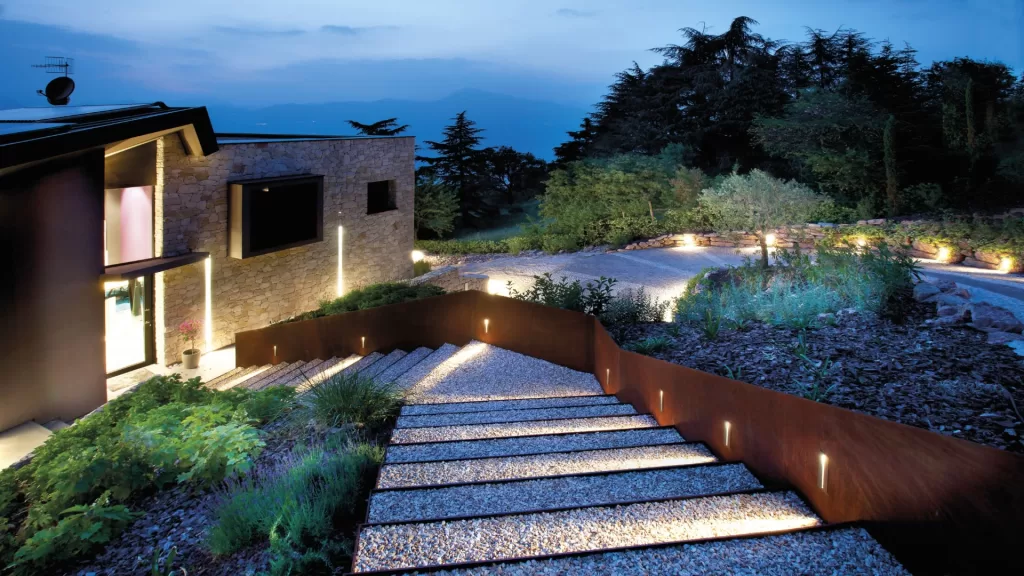
Landscape lighting is equally important in enriching the overall outdoor experience. Strategic placement of lighting fixtures can transform gardens, parks, and open spaces into safe, attractive environments after dark. By illuminating pathways, water features, and vegetation, landscape lighting not only enhances visual appeal but also improves navigation and security. This dual focus on beauty and functionality helps reduce accidents on poorly lit walkways and deters potential intruders. Additionally, by creating a warm and inviting atmosphere, landscape lighting encourages social interaction and community engagement, which is especially valuable in residential neighborhoods and public spaces .
Safety, Security, and Energy Efficiency
A well-designed outdoor lighting system is indispensable for enhancing safety and security. Adequate illumination of building perimeters and landscapes deters criminal activity while offering clear sightlines that help detect potential hazards. Modern lighting technologies, such as LED systems coupled with smart sensors, have made it possible to optimize energy consumption while maintaining high levels of brightness. These systems automatically adjust the light intensity based on ambient conditions or occupancy, ensuring that energy is conserved without compromising safety. The inclusion of such energy-efficient practices is not only environmentally friendly but also compliant with sustainable design principles, making it a smart long-term investment for both public and private projects .
Integration with Urban Design and Community Development
Outdoor lighting, including both facade and landscape lighting, plays a strategic role in urban planning and civic life. In many cities, innovative lighting designs are now recognized as crucial elements that contribute to the creation of vibrant, safe, and culturally rich communities. Urban lighting projects can revitalize public spaces, turning underutilized areas into lively social hubs that promote outdoor activities and community events. For example, many municipalities are incorporating lighting into their “Smart City” initiatives, ensuring that public infrastructure not only serves its basic function but also enhances the quality of urban life. This trend highlights a growing recognition that strategic lighting design is integral to both architectural expression and social well-being .
Designing for Flexibility and Adaptability
The importance of outdoor lighting is further underscored by its ability to adapt to different environments and needs. Whether it’s the dramatic illumination of a corporate headquarters’ facade or the subtle accenting of a residential garden, the versatility of lighting design is immense. Designers now have an array of tools—from narrow-beam spotlights to wall washers and LED strips—to tailor the lighting to the specific requirements of each project. This adaptability ensures that both functional and aesthetic objectives are met, whether the goal is to create a sense of luxurious grandeur or a quiet retreat in a suburban setting. The careful integration of these technologies not only enhances the beauty of outdoor spaces but also contributes to their security and usability .
Economic and Cultural Impacts
The economic benefits of effective outdoor lighting should not be overlooked. Well-lit commercial and public spaces tend to attract more visitors even after dark, which can contribute to local business revenues and boost tourism. Restaurants, shops, and entertainment venues often rely on complementary lighting designs to create a welcoming ambiance that invites guests to extend their leisure time outdoors. Moreover, thoughtfully designed lighting can serve as a medium for artistic expression and cultural storytelling. In many cities, special lighting installations are used during festivals, national holidays, or cultural events, thereby fostering community pride and showcasing local identity.
Conclusion
The importance of outdoor lighting—encompassing both facade and landscape lighting—extends far beyond mere illumination. It is a critical element in the design of public spaces and urban environments, serving multifaceted roles that range from enhancing aesthetics and ensuring safety to promoting energy efficiency and strengthening cultural identity. As urban environments continue to evolve, integrating smart lighting systems that meet both functional needs and artistic ambitions is more essential than ever.
Innovative lighting designs illuminate not just the night, but also our cultural heritage and commitment to sustainable development. By understanding and harnessing the potential of outdoor lighting, architects, urban planners, and community leaders can transform cities into dynamic, inviting spaces that are as captivating at night as they are vibrant by day.